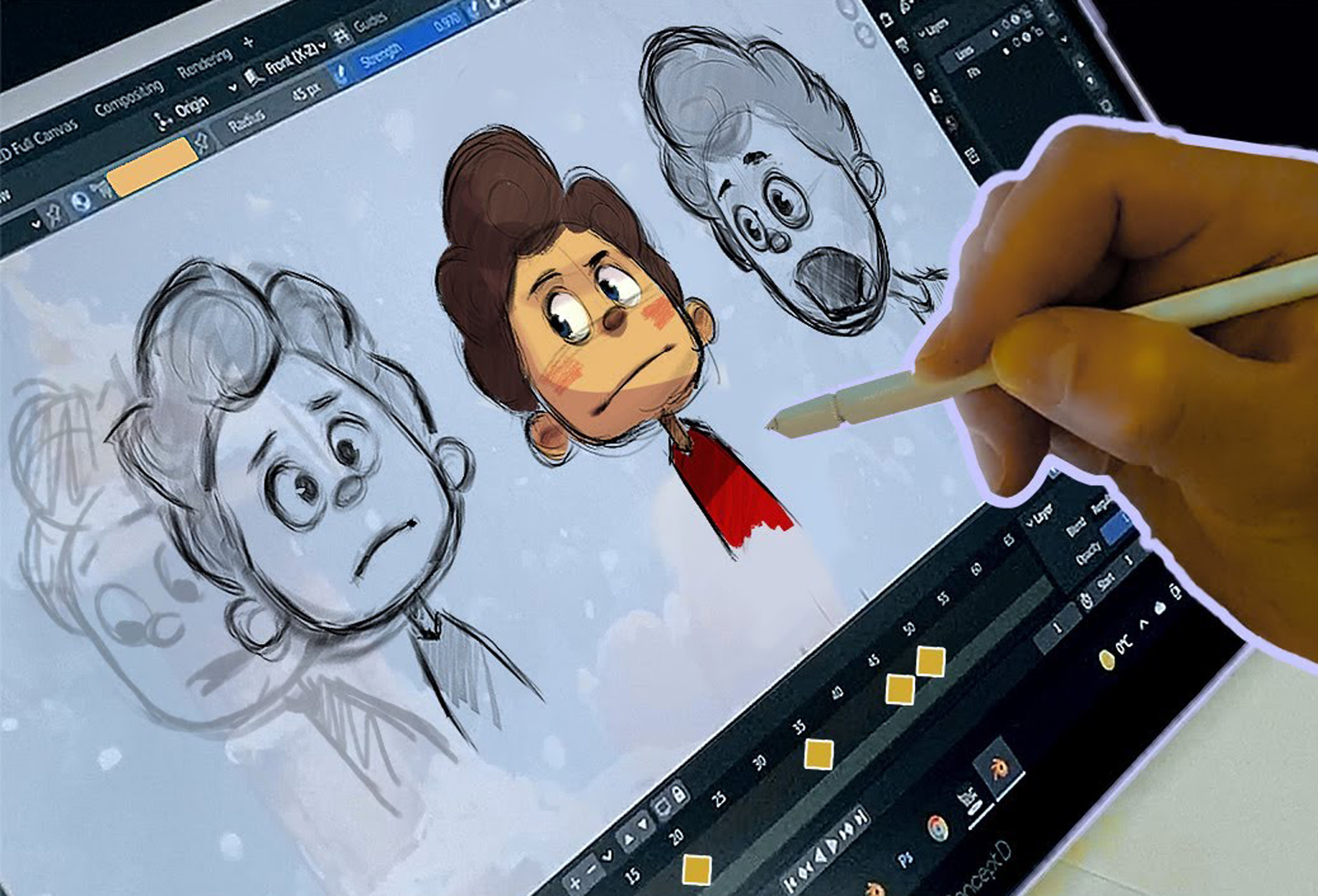

Cel animation built the foundation of modern animation. Before computers took over, animators relied on transparent celluloid sheets—cels—to bring characters and stories to life frame by frame. This traditional hand-drawn technique shaped everything from early Disney classics to Japanese anime, and understanding how it works offers valuable insight into the craft behind animated storytelling.
Though digital tools have largely replaced physical cels, the principles remain relevant. Many contemporary studios still reference cel animation methods to achieve a particular aesthetic or teach fundamental animation skills. If you're exploring animation history or considering which techniques suit your project, knowing how cel animation functions will deepen your appreciation for the medium.
The Origins and Fundamentals of Cel Animation
Cell animation emerged in the early 20th century as a solution to a practical problem. Animators needed a way to avoid redrawing entire scenes for each frame. By separating moving elements from static backgrounds, they could create smoother, more efficient workflows.
The technique involves drawing characters and moving objects on transparent sheets—originally made from celluloid, hence the name. These sheets are then layered over painted backgrounds and photographed in sequence. The result is fluid motion without the need to reproduce every element from scratch. This innovation transformed animation from a labour-intensive novelty into a viable art form and commercial medium.
The Step-by-Step Process
Creating cel animation starts with pencil sketches. Animators draw each frame on paper, mapping out the character's movement in a sequence. These initial drawings capture timing, expression, and motion. Once the animation is approved, the next step involves transferring those pencil drawings onto transparent cels.
This transfer process traditionally required tracing the pencil lines onto the cel using ink. Precision mattered because any inconsistency would appear on screen. After inking, the cels were flipped over, and paint was applied to the reverse side. This approach kept the inked lines clean and sharp, with solid colours filling the shapes underneath. The separation of line and colour allowed for cleaner visuals and easier corrections.
Layering and Background Integration
Once the cels were prepared, they were stacked in layers. A character might occupy one cel, while a prop or shadow occupied another. This modular approach gave animators flexibility. If a character's expression needed adjusting, only that cel required repainting, leaving the rest of the frame intact.
The layered cels were then placed over a painted background and photographed using an animation camera. This camera captured one frame at a time, with each frame representing a slight progression in movement. When played back at speed—typically 24 frames per second—the still images combined to create the illusion of motion.
Technical Requirements for Ink and Paint
Applying ink and paint to cels demanded precision. Ink had to be opaque enough to photograph clearly but thin enough to avoid visible brush strokes. Paint needed to be evenly applied and quick-drying to prevent smudging. Different colours were mixed to match the character designs exactly, and any variation could disrupt continuity across scenes.
Studios developed strict quality control processes. Each cel was inspected before photography to catch mistakes. Even small errors, like a missed spot of paint or an uneven line, could ruin a frame. The repetitive nature of this work required patience and attention to detail, qualities that defined the craft of traditional animation.
Modern Applications and the Digital Transition
By the 1990s, digital ink and paint software began replacing physical cels. Programs like Toonz and later TVPaint allowed animators to replicate the cel animation process on computers. This shift reduced production costs and sped up workflows. Digital tools also made it easier to correct mistakes and experiment with colour palettes.
Despite the move to digital, the principles of cel animation remain influential. Many animators still train using traditional methods to understand timing, spacing, and character movement. Some studios deliberately use digital tools to mimic the look of hand-painted cels, preserving the aesthetic while benefiting from modern efficiency.
Why Understanding Cel Animation Still Matters
Whether you're a student, a professional, or simply curious about animation history, grasping how cel animation works provides context for contemporary practices. The discipline required to animate frame by frame translates directly to digital workflows. The layering techniques, colour theory, and attention to continuity all remain relevant.
If you're working on a project that requires a traditional or nostalgic feel, referencing cel animation methods can guide your approach. Understanding the technical constraints of the past can also inspire creative solutions in the present. Animation has evolved, but its roots remain grounded in the painstaking work of artists who drew, inked, and painted one cel at a time.