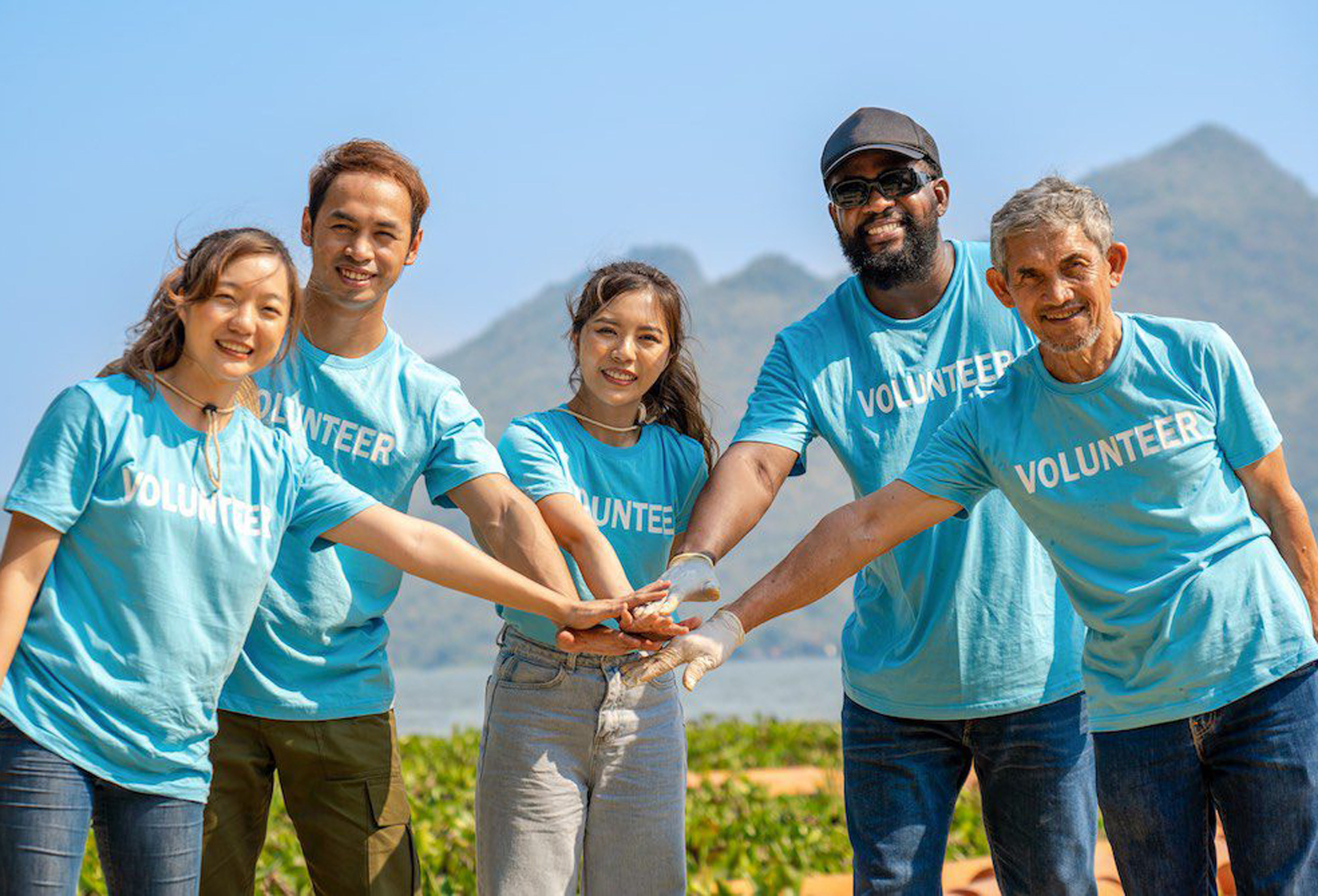

Corporate volunteer days are defined as specific times allocated by a company for employees to engage in community service. These events are more than just a nice photo opportunity; they represent a tangible commitment to social responsibility. As businesses increasingly look for ways to connect with their local areas and build stronger teams, these organized events provide a practical solution. They serve a dual purpose: supporting worthy causes while simultaneously strengthening the internal culture of an organization.
The Benefits of Corporate Volunteer Days
The advantages of implementing a volunteer program extend far beyond the immediate act of service. First, there is the undeniable boost to company image. Businesses that actively participate in their communities are viewed more favorably by consumers and potential hires. It demonstrates that the organization cares about more than just profit.
Internally, the impact on employee morale is significant. When colleagues work together in a non-office setting to achieve a shared charitable goal, it fosters a sense of camaraderie that is hard to replicate in a boardroom. It breaks down hierarchical barriers and allows team members to connect on a human level. Furthermore, the direct contribution to local communities provides a sense of purpose. Whether it involves cleaning up a park, packing food at a bank, or mentoring students, the tangible results of these efforts create a lasting sense of accomplishment for everyone involved.
Planning a Successful Volunteer Day
Organizing an effective volunteer day requires careful thought. The first step involves identifying community needs that align with your company's values. If your business focuses on sustainability, an environmental cleanup makes sense. If you are in education or tech, perhaps a skills-based volunteering session with students is appropriate. Authenticity matters here; the cause should resonate with your brand and your people.
Once a cause is selected, setting clear goals is essential. Are you aiming to plant 500 trees? Pack 1,000 meals? Having a concrete target gives the team something to strive for. Logistics also play a huge role. You must coordinate the location, transport, necessary supplies, and safety measures. A well-organized event respects the employees' time and maximizes the help provided to the charity partner.
Maximizing Employee Participation
Getting employees to show up is one thing; getting them excited is another. Communication is key. Clearly articulate why this specific cause matters and how their participation makes a difference. Storytelling can be a powerful tool here—share information about the charity and who it helps.
Incentives can also drive participation. This doesn't necessarily mean monetary rewards. It could be as simple as providing a catered lunch, a branded t-shirt, or public recognition from leadership. Crucially, the sign-up process must be frictionless. If it takes five clicks and a complicated form to register, people will drop off. Use simple digital tools to manage RSVPs and shifts.
Measuring Impact and ROI
To understand the true value of your volunteer initiatives, you need to track the results. Start with the basics: participation rates and total hours volunteered. These metrics give you a baseline for engagement. However, you should dig deeper. Collect feedback from your employees after the event. Did they feel a greater connection to the company? Did they enjoy the experience?
Equally important is gathering feedback from the community partners you served. Did the volunteers provide real value? Was the event helpful or a hindrance? Assessing the social impact—such as the amount of waste removed or families fed—helps quantify the return on investment. This data is vital for refining future events and justifying the continued allocation of resources to these programs.
Making Volunteerism a Core Part of Culture
Corporate volunteer days offer a powerful way to unite a workforce while doing good. The value lies not just in the hours donated, but in the relationships built and the community trust earned. By moving beyond ad-hoc events and integrating volunteerism into the fabric of your company culture, you create an environment where employees feel proud to work. Start small if you must, but start somewhere. The benefits to your team and your community will be well worth the effort.