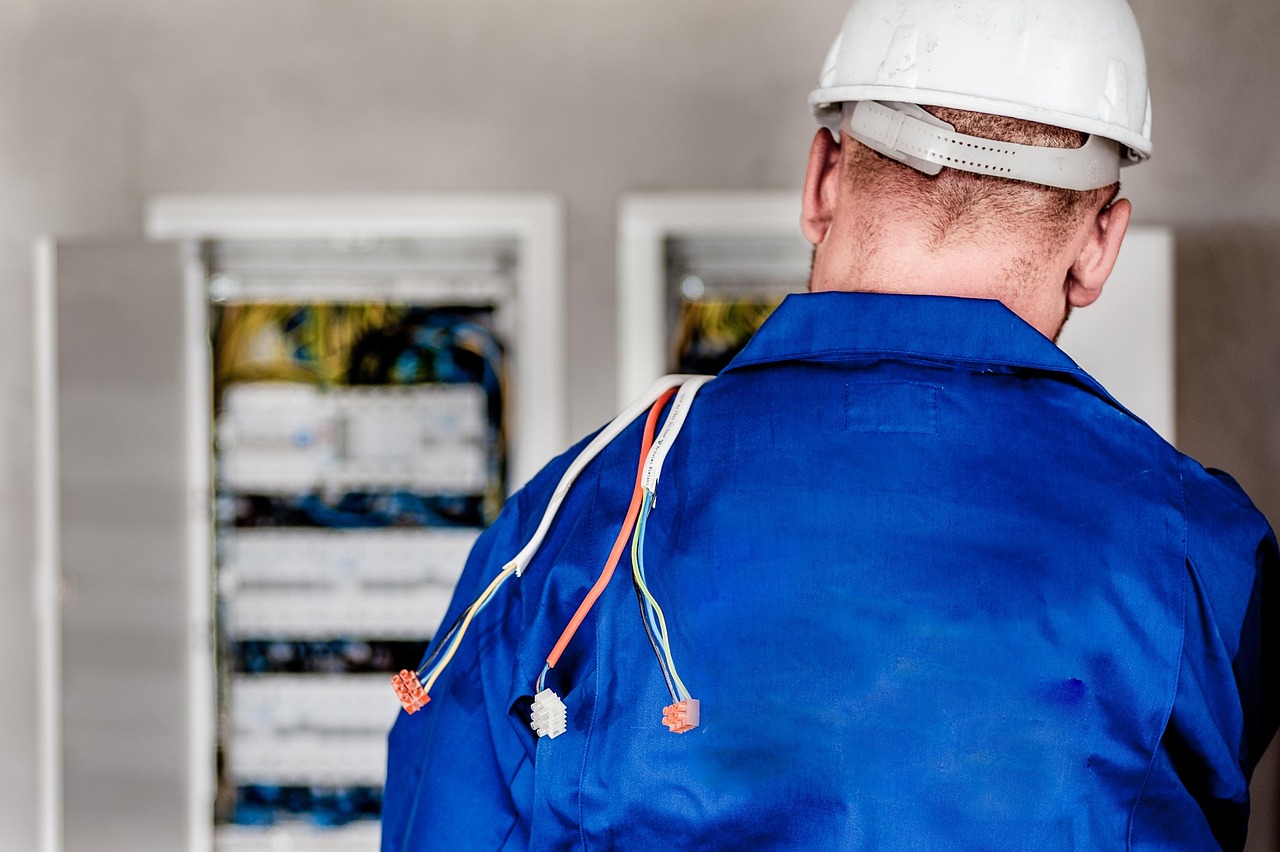

When something goes wrong with your home's electrical system, the last thing you want is to hire someone who isn't qualified to fix it safely. Whether you're dealing with flickering lights, planning a kitchen remodel, or installing a new EV charger in your garage, choosing the right electrician matters — not just for your wallet, but for the safety of your home and family.
Northern Virginia homeowners have no shortage of options when it comes to electrical contractors, but more choices means more room for error. Here's what you need to know before you hire.
Why Licensing Matters More Than You Think
Virginia requires electricians to hold a valid state license before performing electrical work on residential properties. This isn't just bureaucratic red tape — it exists because improperly done electrical work is one of the leading causes of house fires in the United States. A licensed electrician has passed rigorous testing, logged thousands of hours of supervised field experience, and demonstrated a working knowledge of the National Electrical Code (NEC) as well as Virginia-specific regulations.
When you hire an unlicensed contractor to save a few hundred dollars, you risk voiding your homeowner's insurance, failing home inspections down the road, and — most seriously — creating fire and electrocution hazards that aren't immediately visible.
Always ask any electrician you're considering for their Virginia contractor license number and verify it through the Virginia Department of Professional and Occupational Regulation (DPOR) website before signing anything.
The Difference Between Apprentice, Journeyman, and Master Electrician
Not all electricians hold the same level of licensure. Understanding the distinctions helps you match the right professional to your project.
An apprentice electrician is in training and must always work under direct supervision. They cannot legally perform electrical work independently. A journeyman electrician has completed their apprenticeship and can work independently on most residential projects. A master electrician has the highest level of certification and is the only one who can legally pull permits and run their own electrical contracting business in Virginia.
For major projects like panel upgrades, whole-home rewiring, or new construction wiring, always confirm you're working with a company led by a licensed master electrician.
Key Questions to Ask Before Hiring
Before committing to any electrical contractor in Northern Virginia, ask the following questions:
Are you licensed and insured in Virginia? This is non-negotiable. Ask for proof of both their state license and general liability insurance. Workers' compensation coverage is equally important — if a worker is injured on your property and the contractor lacks proper coverage, you could be held liable.
Do you pull permits for your work? In Northern Virginia jurisdictions like Fairfax County, Arlington, Alexandria, and Loudoun County, most electrical work requires a permit and inspection. A reputable electrician will always pull the necessary permits. If someone offers to skip permits to save you money, walk away.
Can you provide local references? Northern Virginia has a dense network of homeowners who rely on word-of-mouth recommendations. Ask for references from customers in your county or nearby and actually follow up with them. Online reviews on Google and platforms like Angi can also give you a meaningful snapshot of a contractor's reputation.
What's included in your estimate? Get all quotes in writing. A detailed estimate should break down labor, materials, permit costs, and any contingency allowances for older homes where hidden issues are common.
Understanding Northern Virginia's Unique Electrical Landscape
Homes in Northern Virginia span a wide range of construction eras, from mid-century ramblers in Arlington to brand-new builds in Ashburn. This creates some unique considerations for homeowners.
Older homes — particularly those built before the 1980s — may still have aluminum wiring, outdated Federal Pacific or Zinsco panels, or inadequate grounding. These are not just code violations; they're active safety hazards that require attention from an experienced electrician familiar with retrofitting older systems.
Newer homes in fast-growing areas like Loudoun, Prince William, and Stafford counties often need electrical upgrades to accommodate modern demands: EV chargers, home office setups, whole-home generators, and smart home technology. Make sure any electrician you hire has experience with the specific type of work your home requires.
Red Flags to Watch Out For
Even in a competitive market, there are contractors you'll want to avoid. Be cautious of any electrician who:
- Requests full payment upfront before any work begins
- Cannot provide a physical business address or local references
- Offers a verbal-only quote with no written documentation
- Pressures you to make a fast decision or uses scare tactics about your home's safety
- Suggests skipping permits or inspections to keep costs down
These are warning signs of either an inexperienced contractor or an outright scam.
Don't Overlook Local Expertise
Choosing a contractor who is embedded in the Northern Virginia community brings real advantages. Local electricians understand county-specific permitting processes, have relationships with inspectors, and are familiar with the types of homes common to the area. They're also easier to reach if a problem arises after the job is complete.
Companies like SparkWise Electric Northern Virginia serve homeowners throughout the region with licensed, insured professionals who understand the specific demands of the local market — from aging home systems in established neighborhoods to high-demand electrical needs in newer developments.
Final Thoughts
Hiring an electrician in Northern Virginia doesn't have to be stressful, but it does require due diligence. Verify credentials, ask the right questions, get everything in writing, and favor contractors with strong local track records. Your home's electrical system is not a place to cut corners — the right electrician will protect your home's value, keep your family safe, and make sure every job is done to code.
Take your time, do your research, and trust your instincts. A reputable electrician will always welcome your questions rather than dodge them.